Thursday, July 28, 2005

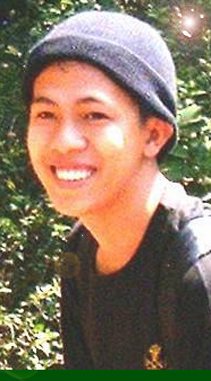
Kristian And Armand Posted by Picasa
Fr. Andrew and Armand Posted by Picasa
Taal Volcano, Tagaytay Posted by Picasa
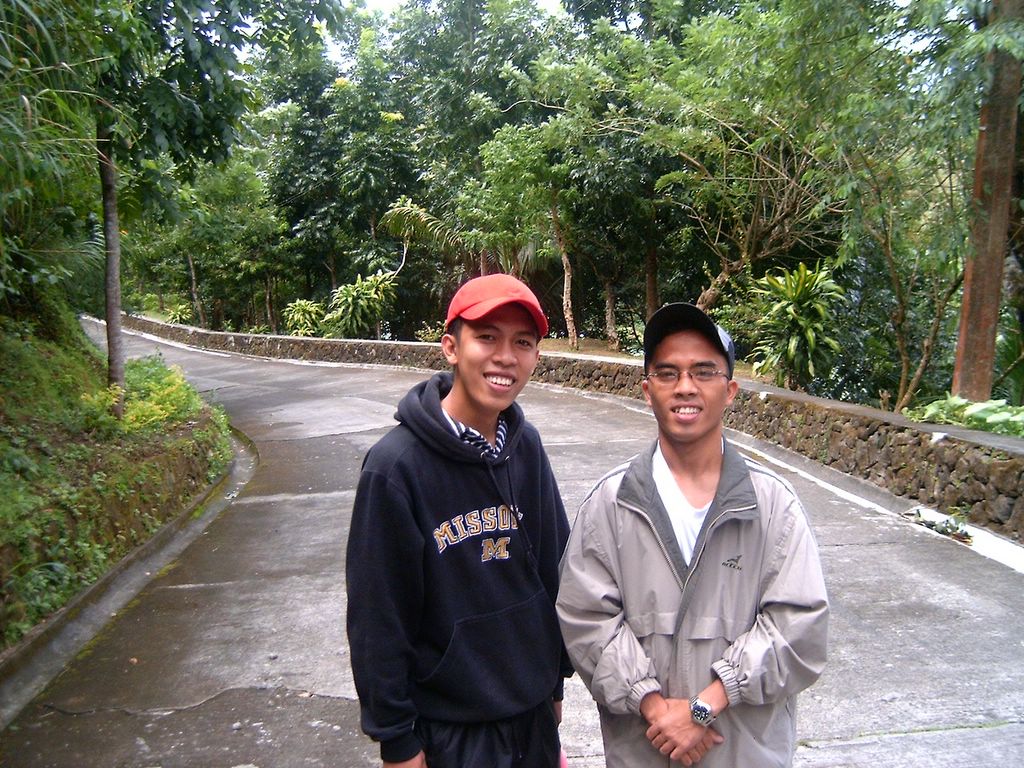
Focolare Center, Tagaytay--Bro. Armand Ortinero and Bro. Ni�o Dizon Posted by Picasa
Awarding Ceremony, PREMIO TOMAS AREJOLA PARA SA LITERATURANG BIKOLNON, September 2004, HolyRosary Minor Seminary, Naga City Posted by Picasa
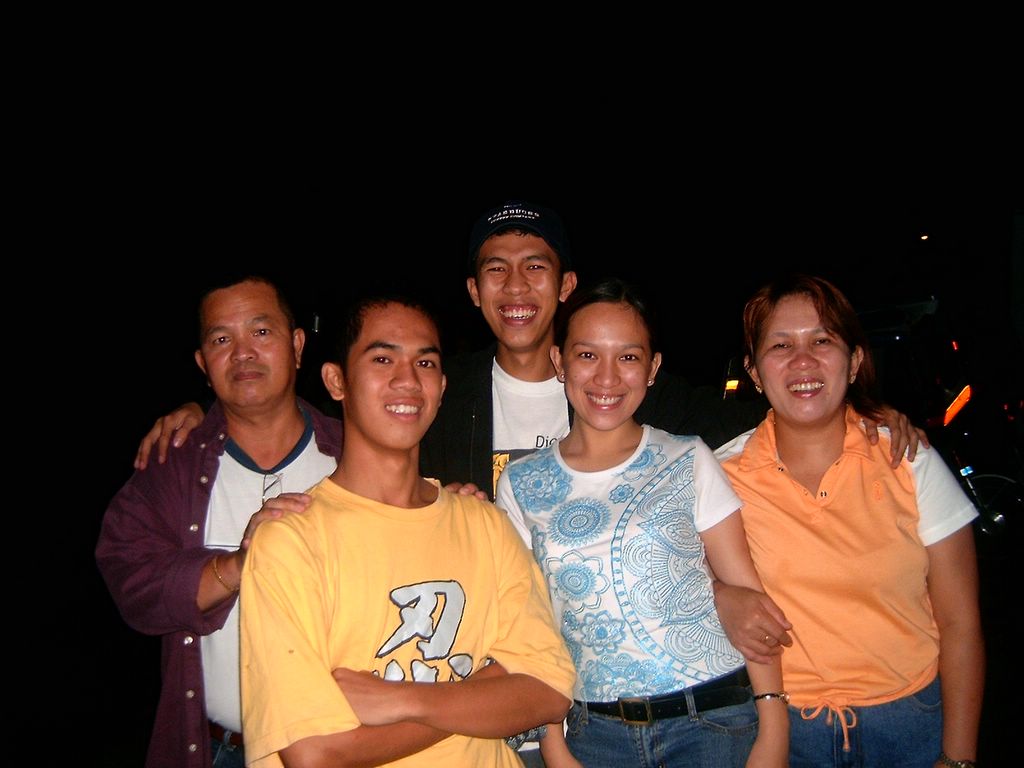
FAMILY  Posted by Picasa
LAGONOY, CAMARINES SUR Posted by Picasa
DARAGA, ALBAY Posted by Picasa
Fr. Philip Bersabe, author of BALALONG Posted by Picasa
Tears of Joy by KSC Posted by Picasa

Wednesday, July 27, 2005

BLAH BLAH BLAH

HISTORY AS OUR STORY
Kristian S. Cordero

My love affair with history dates back to my elementary years. I owe it to my father who instead of letting me play games the normal growing boys would do, took me to his lap and taught me to memorize the names of heroes inscribed in our moneys. I vividly recall how we would brag me to his drinking partners every time I would be able to recite the litany of heroes. He also told me stories and intrigues surrounding the lives and loves of these people whose heads were cut off to be placed in our currency. He told me Aguinaldo was responsible to the killing of the Bonifacio brothers and the assassination of Antonio Luna.

From these national heroes, I grew up learning to love the lives of saints. My mother introduced me to this wonderful people who unlike our heroes can perform miracles. So every Sunday, my parents are obliged to buy me one novena that contains a short biographical sketch on these heavenly intercessors. Reading their story made me feel that I was part of their own story. As a young child, I tried to imagine going to their times and places. It was a kind of adventure for me to be introduced to these people. This is the kind of an adventure that I feel indebted to history and to my parents. I would never trade it to any other experience.

In later years, in high school as well as in college, my love for history remains unwavering. In the seminary I volunteered to work as one of the assistants in the archdiocesan museum. There, I got so involved with history particularly our ancient and local history as a Bikolano people. I met several people whose interest to history is truly remarkable. While most students think history as a far-forbidden hall of the academe, I see history as our own story. History is not only about them, it is about us. It is not so much part of a distant past but of the present. History tells us who we were and why are we like this now. Many of our present problems trace its roots to our unresolved past. Past that is hidden from us, shattered dreams that we have turned into illusions, into a pseudo-personification of our true identity. One gets true healing by looking back, assessing the present and taking hold of a future. This is the kind of history that we need—a critical history.

Nietzsche said that “history belongs to the living man in three respects: it belongs to him so far as he is active and striving, so far as he preserves and admires, and so far as he suffers and is in need of liberation.” All three correspond to the use of history that is monumental, antiquarian and critical.

My father telling me about Rizal, Del Pilar and Tandang Sora therefore falls into the monumental type of history—a kind of accounting of the greatness of past generations. It is the type of the history that admonishes citizens to continue the greatness and legacy of our forefathers. “It is the knowledge that the great which once existed was at least possible once and may well again be possible sometime.” Randy David, a noted Filipino sociologist classifies much of our history to this category. David’s assessment can be seen through a lot of evidences and tapestries of experience. We hear political speeches written by some inept ghostwriters of tongue-tied politicians who instead of presenting a clear political mandate resort to quoting Jose Rizal and Ninoy Aquino. Pictures of these heroes are also displayed in our classrooms. We have erected monuments and named street, bridges, offices, foundations, schools and other institutions after them. The dangerous side of this type is to fictionalize the character and the event surrounding their lives—this type of history mystifies our heroes from the people. Heroes become mythical and ideal creatures, rather than becoming one with the people’s struggle and idealism. This is also true to our saints, as their cult grows, they are more venerated rather than imitated.

The second type of history is antiquarian. Here I qualify my experience in the seminary as an “antique boy” (a term used to refer seminarians working in the museum; Fr. Toots Imperial coined this title). Monumental history according to Nietzsche can be countered by a dose of antiquarian history. Antiquarian keeps us recognize the humanity of our heroes. It instills us reverence to the person, his origins, and even the things and places that had relations with him/her. In the museum, I learned to appreciate the greatness of these people by looking at the intricate craftsmanship of our ancestors immortalized in the ancient tools and burial jars and the zealous dedication of the early Catholic missionaries evangelizing this pagan land. This type of history explains why we also keep and collect old things, memoirs, and vintage photographs, and even receipts. We surround ourselves with old things because we see our history in this way. And like monumental history, the second type can also be corrupted by mummification. History according to Nietzsche is not meant to be a celebration of decay. It is meant to nurture life.

Thus, antiquarian history should give us the motivation to move on. We do not linger with the past. We let the past shed light to our present. That is why we need a critical history. The type of history that assesses the society in such a way that one must be ready to lay the foundation that will break the old-aged traditions that have shackled the people. We need this kind of history that fears no one. A history that is not self-serving to the interest of those in power, power they have long been perpetuated, a power that corrupts the people. Accordingly, critical history challenges institutions, and even the entire way of living inherited from the past and from the tradition. Not all part of past are glorious, kind and worth keeping. We need to purge ourselves and accept the hard truth that we will see in history. Critical history will only materialize if people begin to re-discover their value and worth. The findings of this history have been maliciously kept by few members of our society because it unravels the truth that for them will be fatal, which for most of us will mean healing and liberation.

PUSO

PUSO
Kristian S. Cordero

Siring sa mga dating banggi, nahiling ko an puso ko
sa taed ko, may pandok kan tawong haloy ko nang ilusyon.
Dai ko sa siya tinin’o, ta aram ko bako man siyang totoo
nagtalikod ako asin kinugos an sakuyang ilunan.

Alagad nagpirit an sakuyang puso, kiniblit ako sa may iris
Nagpoon siyang maghinghing: mati’a an saimong daghan,
mayo ako dyan, mayo sa laog kan saimong lawas,
dai ako nakakulong sa saimong mga gusok.

Asin pinaatubang niya ako saiya, nagsasayuma ako
alagad makusog an sakuyang puso, minasunod man
ako giraray, dai nakaka’agrangay, dai nakakahabo
sa puso kong masumbikal asin pilyo.

Midbid ako kan sakuyang puso, aram kun saen ako
maluya, duman sa talinga siya nagpopoon na maghangos
na daing patod, garo nagkukuradkutad, sagkod sa hadokan
niya an sakong ngabil, an dungo, pugol na pagkagurob-gurob.

Hahapulason niya an sakuyang daghan, luhay-luhay
pasiring sa ikinabuhay, duman niya ako nadadaog,
duman niya ako nalalaog sagkod na ako mapaturog
Matatapos an bangging kadurog ko an sakuyang puso.

Alagad nagigimata akong mayo na an pusong kataed,
Minahali siya tulos, dai nin paaram, daing surat, daing
huring hadok, daing walat na parong o gira nin mga bitis.
Tibaad minabalik siya sa sakuyang alang na daghan

o baka may iba pang siyang dinudumanan
apwera kaining sakuyang higdaan na kaipuhan
ko naman ribayan an tamong tulos-tulos
maski kan sarong aldaw pa man sana linabahan.

POPE RATZINGER ELECTS MSGR. JORO

ROJAS TO BECOME CACERES’ AUXILLIARY BISHOP
Pope’s First Filipino Bishop Elected
Kristian S. Cordero

The long wait is over. Pope Benedict XVI has given the local church of Caceres another shepherd—the first Filipino bishop to be elected after his assumption to the See of Peter. Rev. Msgr. Jose R. Rojas, Vicar General and Parish Priest of Immaculate Conception Parish, Naga City is now the new auxiliary bishop of the archdiocese. His election as Titular Bishop of Idassa and auxiliary bishop of Caceres was made last July 25, 2005 at the Vatican City and was relayed through a communication sent to Apostolic Nuncio Antonio Franco who asked the faithful to pray for the new bishop.

Born in Cebu City as the eldest child of Jose Rojas Sr. and Emiliana Rojas on August 18, 1956, his family went back to Naga where the would-be-bishop took his elementary education at the Naga Parochial School. Realizing his vocation to the priesthood, he entered the Holy Rosary Minor Seminary where he finished his secondary education in 1973. He took up his philosophy at the Holy Rosary Major Seminary (1977) and his bachelor’s degree on sacred theology at the Pontifical University of Santo Tomas, a Dominican university in Manila (1980). On March 29, 1981, in a solemn ceremony held at the Metropolitan Cathedral, Archbishop Teopisto V. Alberto, DD, ordained him to the sacred orders of priesthood.

After his ordination, he was assigned as parochial vicar in the Parish of Our Lady of Peñafrancia in Naga City. In 1982, he continued his studies and earned his licentiate in theology and a master’s degree in Religious Education from the same Dominican university. Msgr. Rojas left the country for his doctoral studies at the Catholic University of Leuven in Belgium in 1985. Two years after, he received his doctorate both in philosophy and moral theology, a sole distinction he still holds among the Caceres clergy. Right after his studies abroad, he went back to Naga to serve as seminary formator. From 1987 to 1989 he was professor and vice-rector of the Holy Rosary Major Seminary and on 1989, he was installed as the new rector of the same seminary by Archbishop Leonardo Z. Legaspi, OP, DD. Msgr. Rojas held the position until 1998.

Aside from his ministry in the seminary, he has been appointed to other key roles in the archdiocesan commissions namely: Chairman, Commission on Doctrine (1987-to the present); Judge, Caceres Marriage Tribunal (1991-1994); Chairman, Commission on Priestly Formation (1989-1998); Chairman, Commission on Preservation of the Holy Rosary Minor Seminary as a National Historical Landmark (1989-1995); Chairman, Archdiocesan Pastoral Council II (2002); Director, Caceres Family Ministry (2001- to the present) and many others.

Gifted with propensity both in writing and music, Msgr. Rojas has composed numerous liturgical and Marian songs both in English and Bikol. He has written articles on various issues on morals, bioethics, church history, seminary formation, and other church-related issues that landed on different national and international publications. He has also written and edited books published in the archdiocese: The History of Enduring Monument, The Holy Rosary Seminary in Caceres (1995); A Story of Divine Providence: The History of Daughters of Mary (1996); Editor, Sacramentario, Lectionario and Pamibi nin Banwaan; Editor, Light to All (2004).

The new auxiliary bishop of Caceres holds the office of the Vicar General since 1998, a position that most likely he will retain. As Vicar general, he ranks second after the archbishop, thus in many occasions, Msgr. Rojas has actively taken up this role, presiding parish fiesta celebrations, installations and the monthly assembly of the clergy. His election therefore to the episcopacy is seen by many clergy as an affirmation for his indefatigable service to the local church of Caceres. His Episcopal consecration is yet to be announced while others are speculating as early as now that it will fall on the Peñafrancia celebration this coming September.

We enjoin our readers to pray for Msgr. Rojas as he takes his pastoral staff to be brave enough and have the courage to fight for his flock assailed by the many wolves that continue to devour the people entrusted to his care. May Jesus, the Eternal High Priest and Mary, Mother of All Christians bless and keep his servant in his ministry.

Tuesday, July 26, 2005

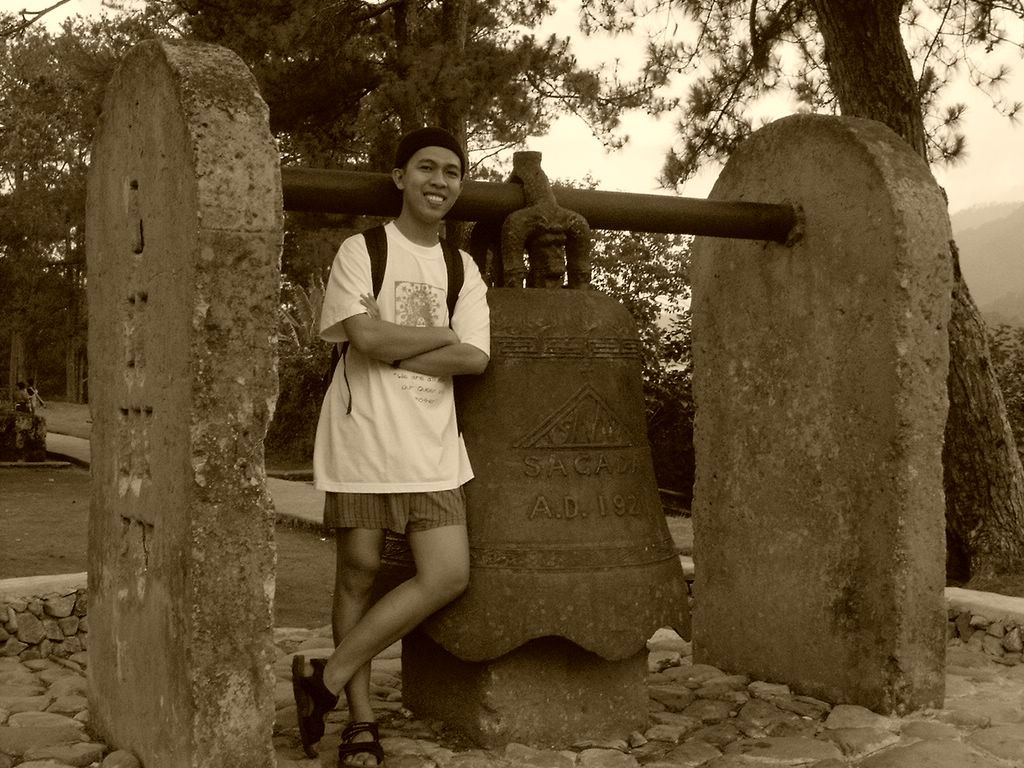
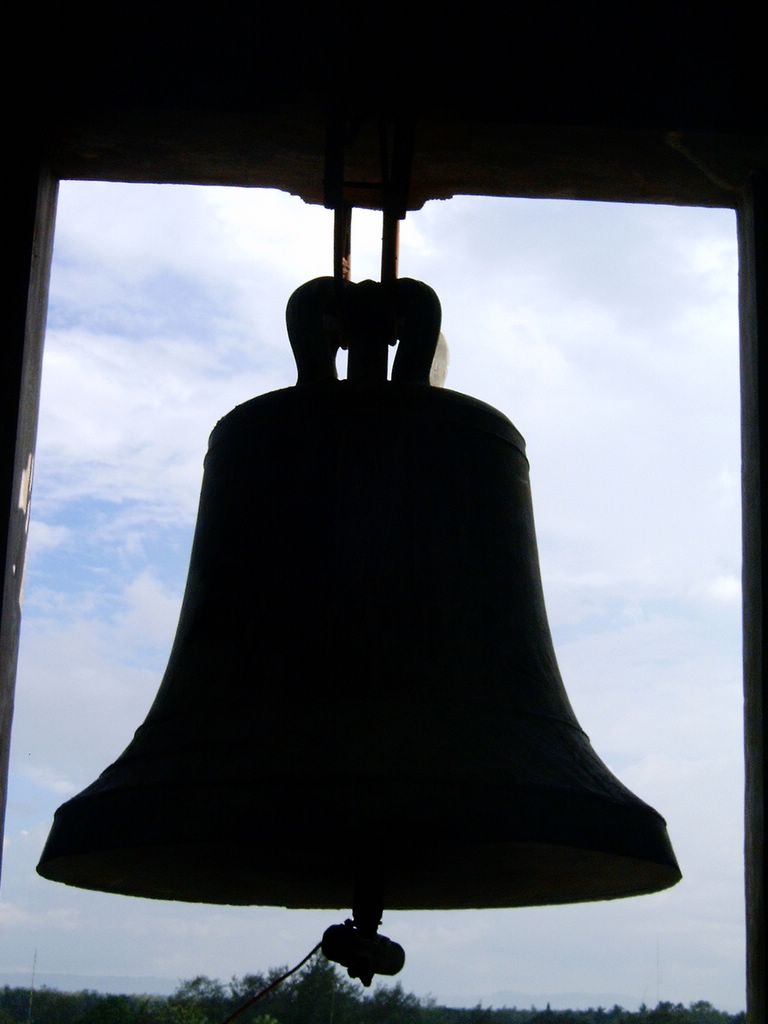
sagada's oldest church bell Photo by Ken Shin Posted by Picasa
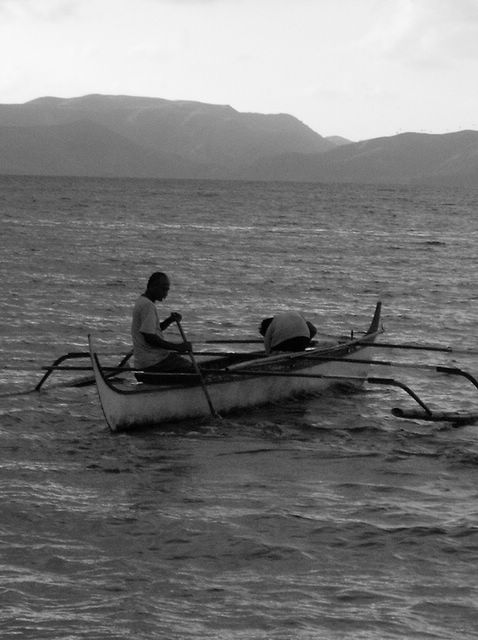
Paglalayag by KSC Posted by Picasa
Blessed are the pure of heart, they shall inherit the earth. Photo by KSC, Garchitorena,Camarines Sur Posted by Picasa

A BLAH BLAH BLAH

PURGING ANG FORGING A NATION
Kristian S. Cordero

Chinese have a better way on looking at a crisis that we can learn as we brave another political storm that has besieged our country. Crisis is both an opportunity and a danger. Danger should be read accurately to prevent further havocs while opportunity should be seized to do something extraordinary. In the last few days, we have been trying to grapple this serious political issue that involves the highest leader of the land—no less than the president herself. I am one of those who believe that we need to purge ourselves to be able to start and forge a better nation for ourselves and for the future generations.

In his pastoral letter read last Sunday, Archbishop Legaspi reiterated the call of the Catholic Bishops Conference of the Philippines (CBCP) to restore moral values in Philippine government. The Dominican bishop made a clarion call for the present government to take into serious consideration the various cases hurled against her wrecked administration—the issue of an alleged election fraud, the illegal gambling involving some members of his immediate family and our historic failure to come up with an economic agenda that will alleviate our people from their sad plight of poverty and miseries. The archbishop also admitted that the church in some ways particularly the members of the hierarchy have contributed to the confusion, division and decline of moral standards in our people. The church is so many ways has failed to practice their solidarity with the poor.

Surprisingly, the bishops did not ask for an immediate resignation of the incumbent president despite of massive protests against her. The prelates had reached a seemingly collective decision and have taken the path of shepherding rather than interfering in the decaying state of Philippine politics. They have waged another battle not to combat certain individuals in power but to vanquish this cultural malaise as Jesuit Nem Gonzales aptly called it.

Our political crisis is one of the many results of our cultural malaise as a people. We need to purge this sad republic away from our inept and traditional politicians that have sabotaged and plundered us. As a people we have to undergo a collective experience that we will come to realize that nothing is left for us except ourselves—our people. How can we think of poverty when we know that there is burgeoning elite that controls and monopolizes the riches of the land? How can we solve poverty when it means nothing but an apostolate of the church and her charitable institutions that are not also free from corruption and greed?
I was a high school graduating student when the centennial fever caught us. We were made to look back at the glorious page of our history when our so-called national heroes have declared their independence against foreign colonizers, the first to become a modern republic in this part of the world, and yet I feel that after several years, life in this country has become more impoverished.


I come to believe that this country is still very far, at the very least from a true democratic state. We are the best example of what the ancient Greek philosophers had feared—that is democracy at its worst. Our state is not considered a moral agent in our society. The church has also been accused of conspiracy with the oligarchy that tops the lists of mass donors and benefactors. We do not practice collective act of unselfishness. We still think from a regionalist point of view. We are not yet a nation. Nationhood is still a dream waiting to become true for all of us. We do not have a collective conscience that will serve as our moral bond. The Philippines given its hundred years of struggle against foreign powers has never really gone beyond in forming true citizens of the land. Foreign rules still dictate and intervene in our internal affairs. We still wait for what will the United States of America will say regarding our government. We have never really grown. We still cling to our foreign colonizers and look at them as mothers and messiahs. These foreign aggressors have succeeded in colonizing us. They have turned our selves to become our own worst enemies to battle against with. They have crushed our self-esteem. We hardly know ourselves.

My father who works in a shipping line in the U.S. shared with me an unsurprising story. In their place of work, they call themselves Filipinos when introduced to foreigners and yet when it comes among them, they become distinct and distant individuals—Kapampangans, Ilonggos, Bikolanos, etc. His story made me realize that we still draw our identities from our tribal lineage which served as our pre-colonial and political communities. Hence, even now, we still imagine ourselves as members of particular clan, member of this family—we have the buena familia instead of having citizens of this country. Ginebra played well in their advertisement and got a high number of loyal supporters to their basketball team because of their Barangay Ginebra campaign. We are very responsible, responsive and sensitive when it comes to family matters and yet remain indifferent to the social issues that affect one and all. This is why corruption and poverty is prevalent in our society. We have settled with lesser evils when we could have chosen the good. These lesser evils have grown and become the worst evil, the mother of lies and the worst nightmare we ever had.

Institutions like the Church and the Media should play a pivotal role in purging the nation. We need a church that practices what it teaches and a media that is only liable to the truth and not to any individuals. Archbishop Legaspi and his fellow bishops have taken their stand. Let their faithful Catholics become stalwarts of change and development in this country. Ironically, majority of our population are Catholics and yet we are enlisted as second most corrupt country in the world. We voted into office Marcos and Estrada, world-known tyrants and corrupt leaders. The Church, the same way with the president should take radical steps to become more relevant to the lives of the people particularly the poor. And for the media, it should actively engage by providing new language, new vision in which we shall all see ourselves and our roles for this country. Only then when we purge ourselves, our local communities can we start forging a country that we can really call ours.
Pusa by KSCordero Posted by Picasa
Nabua, Camarines Sur Posted by Picasa
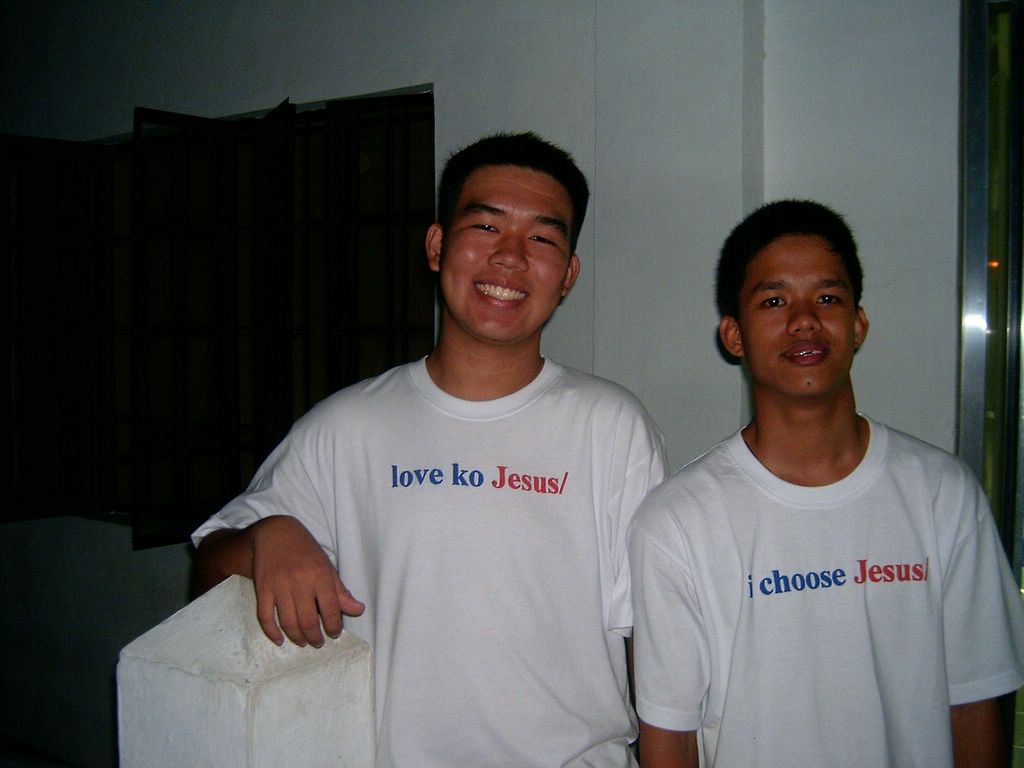
Love Ko Jesus Posted by Picasa
Don Layosa Posted by Picasa
Dung-Aw by Ken Shin Posted by Picasa
Quo Vadis? Posted by Picasa
Will God shoot the ball?  Posted by Picasa
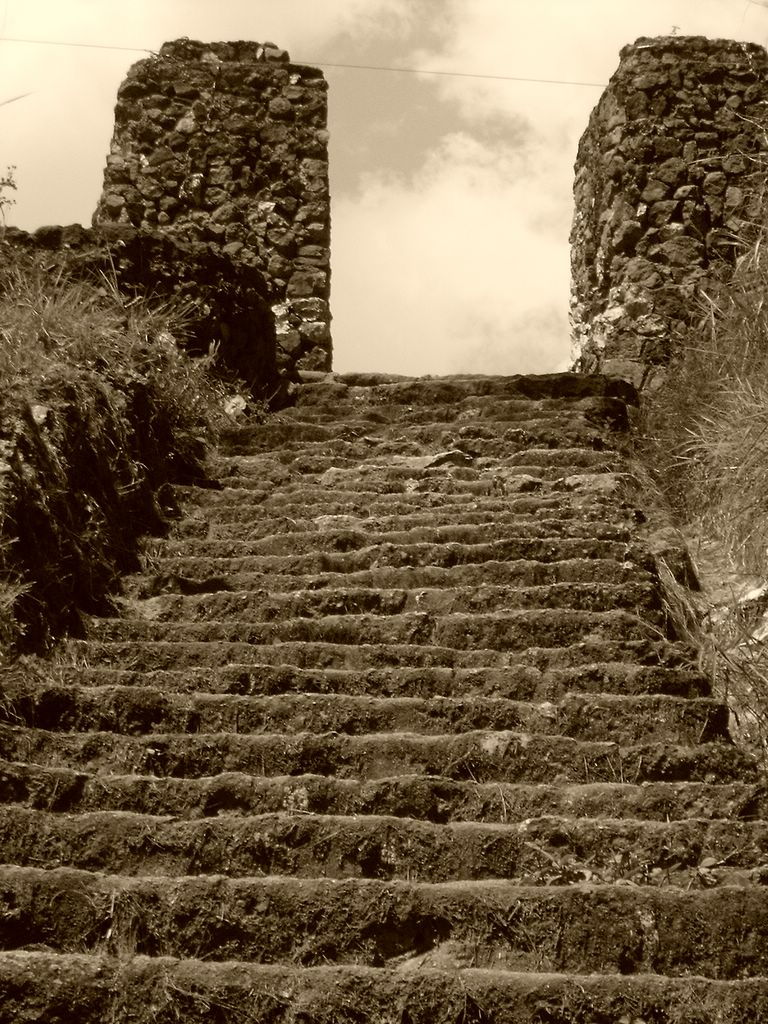
Stairs leading to Sumaging cave Posted by Picasa
Garchitorena, Camarines Sur Posted by Picasa
Ilian, San Nicolas, Iriga City Posted by Picasa
Villa Magdalena Posted by Picasa
Sagada, Mountain Province Posted by Picasa

PAGSUSOG KI KULAKOG

PAGSUSOG KI KULAKOG
Kristian S. Cordero

Sa sarong lumang osipon, si Kulakog sarong higante sa Bikol. Sa Minalabac, igwang pig-aapod na gira ni Kulakog, sarong gira na naitala sa bato na pinagtutubodan na pagsasadiri kan higanteng ini. Kadakul ubak nin bibi sa lugar na ini, nagtutubod an mga tawo na si Kulakog an nagkakan kaini. Minsan sa Catanduanes, may sarong istorya na tanganing makabatloy sa dagat pasiring sa parteng Albay an saiyang agom, ginibong tulay kaini an saiyang dakulaon na buto. Igwa man mas bantog na istorya na si Kulakog parabanog nin agom, mahugak na esposo asin mayo daang ibang gibo kundi an magturog. Bo’ot kong gamiton an mga osipon na ini bilang metapora kan pirang mga kalalakihan sa satuyang rona. Mga kalalakihan na marhay pang pina’orog na an mga uro-itlog tuminubo sa angog.

Bilang sarong para-surat dakula para sa sakuya an taw’an tingog an mga boses na pinula arog kan patriarka, diskriminasyon asin iba pang paghiling na paruro sa kapwa-tawo. Digdi ko nahihiling an mas orog kadakulang katungdan kan siisay pa man na muyang magsurat sa Bikol. Lihis na kita sa panahon kun saen pigtutukar an rebolusyon, an komunismo o an inaapod na kili-kili literature. Yaon kita sa panahon nin pagtuklas nin mga bagong porma asin paggibo nin mga bagong mata na bako sanang hihilingon an magayon, magiram asin usmak kundi an laog na bo’ot ipasabot. Ini an dakulang angat ko sa sadiri asin sa iba pang arog ko na dai pinapauntok kan musa nin pagsurat. Alagad an panahon na ini, saro man na okasyon nin pagsalingoy, pagkutkot sa daan na baul kan mga ariwaga, osipon, rawit-dawit, mga istorya na makangirhat asin dai na ngani haros tutubodan sa panahon nin internet, cell phones asin mayong-kagadanan na mga tsinovelas. Si Kulakog saro sa mga imahe na bo’ot kong ipabisto. Imahe nin pag-ooripon na mas makulog sa kapagtiosan nin tulak ta an pag-kaoripon na ini minalanit bako sana sa lawas kundi minasalugsog sa kalag.

Magkapirang mga rawit-dawit sa Filipino asin Bikol an sinurat ko na arog kaini an tema—an makamundong agi-agi kan mga babayi sa satuyang banwaan. Sa istoryang hale sa Catanduanes, malinaw na an babae ang naghahale tanganing maghanap nin kakanon, ginamit sana ni Kulakog an saiyang buto tanganing makabatloy an saiyang agom pasiring sa ibong na pangpang. Siring man kaini an pinapasabot ko sa rawit-dawi na Santa Ana, na kabali sa enot na libro kong inilagda an MGA TULANG TULALA: Piling Tula sa Filipino, Bikol at Rinconada. Uni an tula:

Ta an babaying imahen an nawara,
Mga abayi man dapat an maghanap.
Sinugo sindang magduman sa ibang baybayon
tanganing si Santa Ana saindang hanapon.
Mantang an mga lalaki nawiwili sa kahihiling kan Mayon.

Pinunan an pagbaklay pasiring sa Hapon
duman nakanood magtais nin samurai.
Asin pigsusulo pati bungut sa uray
Mantang mga suanoy na kansyon saindang kinakanta:
Pagpuli, si mga daraga nagin nang mga puta.


An makamundong eksperinsya kan mga kababaihan na pinula kan satuyang paniniwala, an saro sa nagpaparuro kan satuyang banwaan. An makangirhat na katotohanan na an Bikol an “Rape Capital of the Philippines” sarong pagbalo-balo sa satuyang debosyon sa Mahal na Ina. Alagad dai ko naman ini pig-ngangalasan, bako nin huli sa kulturang orag bilang libog na pigbabasol ta pa sa pagkahilig ta sa lada. Alagad, hilingon na sana niyato an mismong pagdeosyon niyato ki Santa Maria. Minsan igot na an simbahan asin media sa kampanya na labanan an siring na gawe nin debosyon, mahihiling pa man niyato an garo mga idong rungaw na nag-iiriwal nin huli sa kapidasong tela na magagalbot niyato sa Birhen. Bako daw sarong dakulang paglugos sa sarong babae an nangyayari sa satuyang selebrasyon. Saralak digdi an gabos na kalalakihan sa Bikol, an mga pulitiko, an mga hade sa negosyo na dakul kun magtaong limos sa simbahan, mga burat na istambay, asin mga seminarista asin mga padi. An siring na okasyon mas nagiging ladawan kun ano an paghiling kan kadaklan sa satuya, paghiling na tumang sa kababaihan asin sa Dios na inarog an saiyang sadiri sa sarong guna na minaataman sa saiyang mga siyo.

Si Kulakog bilang imahe nin subersyon sa mga kababaihan an nahihiling kong gamot asin kapaliwanagan kan mga pangyayaring ini. An mito ni Kulakog nagpapasabot nin sarong makulog na katotohanan na kun dai niyato tatawan nin magkakanigong riparo asin sararong paghiro magiging sarong dakulang lugad na madara sato sa kagadanan. Sa pagsusog ki Kulakog, aagihon kita sa pagpangirit asin mga kangangalasan, alagad totoo an kun nuarin kita minangirit duman orog na minakulog an satuyang mga daghan.

An mga arog ni Kulakog an kaipuhan niyatong balukaton sa agimad-mad kan satuyang banwaan. Bistuhon asin ngaranan niyato an satuyang mga helang sa paagi nin pagsalingoy sa satuyang mga osipon asin suanoy na kadunungan, ta dakul pa sa mga bagay na ini an makakataong kapaliwanagan kan madiklom asin madoot na dalan kan satuyang presenteng panahon. An mga arog kaining mga osipon an nagigin salming niyato kan satuyang mga helang ilang sarong banwaan. Bo’ot sabihon an istorya ni Kulakog nagpapadagos pa man ngonyan asin ta an anino ni Kulakog minasakop pa man sa satuya, daing tunay na pag-asenong mahahaman. An banwaan na kompuesto nin mga tawong arog ki Kulakog, purog.

Sa kahaloy-haloye, nilalaom ko na magagadan an imahe nin Kulakog, magigin na sana ining parte nin sarong harayoon na panahon. Alagad mangyayari sana ini kun magkakaboronyog kita sa paghimo nin sarong bagong karakter kan satuyang binibilog na mga osipon, mga osipon na sasalingonyon kan masurunod na henerasyon nin may ogma sa puso. Kaipuhan ta nin sarong bagong simbolo nin pagkamoot, nin pagmakulog sa kada saro, nin pagmidbid sa kagayonan nin lambang saro, asin iba pang birtud na ginadan kan patriarka asin kaining mito ni Kulakog.


Hulyo 26, 2005
Kapiyestahan ni Santa Ana

Tuesday, July 19, 2005

BAGONG TULA

SEMINARYO
Para kay A.

May dalawang magkasintahang ahas
ang natagpuan sa loob ng seminaryo.

Agad na lumikha ng ingay at gulo
upang mabulabog ang naglalampungang ulupong.

Biglang natipon ang mga seminarista
at naghanap nang kahit anong maaring pamalo.

Hindi pa nakakalayo ang isang ahas
nang hatawin ito ng kulay tansong tubo.

Tinamaan sa ulo ang ulupong.

Hinagod ang katawan nito
at pinagpira-piraso.

Iminungkahi ng isang pari
na alamin ang kasarian ng napatay na ahas.

At dahil walang marunong tumukoy nito
ipinagpalagay nilang—ang babaeng ahas
ang nadisgrasya.

Nang dumating ang gabi ipinagbunyi
sa misa ang naganap na pangyayari.

Pinangunahan ng obispo ang panalangin
at ipinag-utos nito ang masidhing
paghahanap sa nakatakas na ahas.

Habang sa isang sulok ng altar
nanlilisik ang mata ng ulupong
na natatapakan ng maamong birhen.

KUWEBA NG SUMAGING

Sumasagi sa isip ko ang ilang mga bagay
tungkol sa atin habang papasok tayo
sa loob ng kuweba ng Sumaging.

Ikinikintal ko ang ilang mga pagmuni-muni
sa talas ng mga batong kinakapitan natin
pababa sa pinakamalalim na bahagi ng kuweba.

Walang mga paniking maaaring gumambala.

Habang lumalamig at lumalakas ang bulong
ng tubig natitiyak ko sa mga sandaling iyon
na ang kuweba’y isang sinapupunan.

Ito ang una nating kanlungan.
Dito nagsimula ang dahilan ng pagkupkop.

Ipinagpalagay ko na matagal tayong nilikom ng dilim
at tinuruang maglaro ng mga dapog na hugis mga elepante,
pagong, kandila at ilang maseselang bahagi ng katawan.

Ito ang una nating mga laruan.
Dito sumibol ang labis na galak.

Ngunit katulad ng alegorya ng Griyegong pilosopo
Napagod tayo sa pakikipaglaro sa ating mga anino.

Hindi dapat nakikita ang anino sa dilim.

Kaya iminungkahi mong lumabas na tayo ng kuweba
Hindi ito ang katotohanan.

Kailangang putulin ang pusod
upang patuloy na tumibok ang puso.

Pumayag akong muling iluwal ang sarili
at nangakong iibigin ang silahis ng araw.

Bukas-palad ko itong hahayaang tumagos
sa pagitan ng aking daliri na parang hinihintay
ang paglagas ng mga dahon ng pino.

Para Kay Eric Lagdameo